
Understanding Glaucoma: Protecting Vision for the Long Term
Glaucoma is one of the leading causes of irreversible blindness worldwide, but with early detection and proper management, vision loss can often be slowed or even prevented. As eye care continues to evolve, so does our understanding of this complex group of diseases, making ongoing education more important than ever.
What Is Glaucoma?
Glaucoma refers to a group of eye conditions that damage the optic nerve, typically due to increased intraocular pressure (IOP). The optic nerve is essential for transmitting visual information from the eye to the brain, and once damaged, vision loss cannot be reversed.
There are several types of glaucoma, but the two most common are:
Open-angle glaucoma – the most prevalent form, often developing slowly and without noticeable symptoms
Angle-closure glaucoma – less common but more acute, requiring immediate medical attention
Why Early Detection Matters
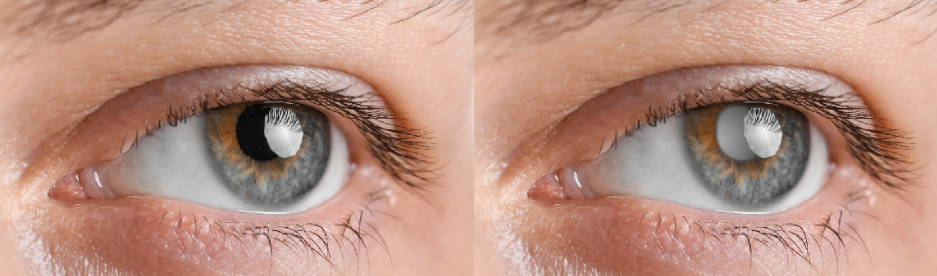
One of the biggest challenges with glaucoma is that it is often called the “silent thief of sight.” In its early stages, there are usually no symptoms. By the time noticeable vision loss occurs, significant and permanent damage may already be done.
Routine eye exams are critical for early detection. These exams may include:
Measurement of intraocular pressure
Evaluation of the optic nerve
Visual field testing
Imaging of retinal nerve fiber layers
Beyond Eye Pressure: A Broader Understanding
While elevated IOP is a major risk factor, glaucoma is far more complex than just pressure alone. Modern research shows that:
Vascular health plays a role in optic nerve damage
Systemic conditions such as hypertension or diabetes may influence progression
Individual patient variability affects how glaucoma develops and responds to treatment
This means clinicians must take a holistic, patient-centered approach to care - combining diagnostics, lifestyle considerations, and tailored treatment plans.
Treatment Options: More Than Just Drops
Glaucoma management has advanced significantly in recent years. Today’s treatment options include:
Topical medications (eye drops) to lower IOP
Laser therapies such as SLT (Selective Laser Trabeculoplasty)
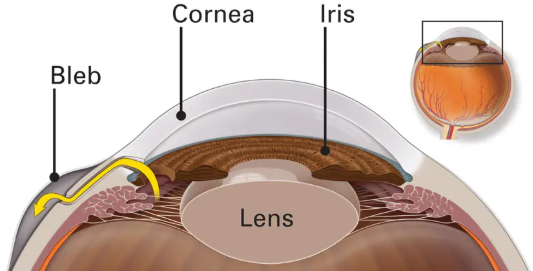
Minimally invasive glaucoma surgery (MIGS)
Traditional surgical procedures for advanced cases
Choosing the right treatment depends on the type of glaucoma, disease severity, and the patient’s overall health and lifestyle.

The Role of Comorbidities in Glaucoma Care
In real-world practice, glaucoma rarely exists in isolation. Many patients present with coexisting ophthalmic conditions such as dry eye disease, cataracts, macular degeneration, or diabetic retinopathy. These comorbidities can complicate both diagnosis and treatment.
For example:
Ocular surface disease may impact tolerance and adherence to topical therapies
Cataracts can influence visual field interpretation and surgical planning
Retinal conditions may mask or mimic glaucomatous changes
Managing these overlapping conditions requires:
Accurate and timely diagnosis
Tailored treatment strategies that consider the full ocular picture
Multidisciplinary coordination when systemic or retinal issues are involved
Efficiency in care delivery to reduce patient burden and appointment fatigue
A thoughtful, case-based approach helps clinicians balance disease control with patient quality of life, an increasingly important factor in long-term outcomes.
The Role of Continuing Education
As new technologies and treatment strategies emerge, eye care professionals must stay current to provide the best possible care. Understanding when to escalate treatment, how to interpret diagnostic data, and how to manage complex cases is essential in improving patient outcomes.
Join our upcoming series: Outsmarting the silent thief.
Featured Session: Part 1
Course Title: Advanced Glaucoma Diagnostics: From Classic Testing to Emerging Technology
Presenter: Nate Lighthizer, O.D., F.A.A.O.
Date: Wednesday, August 12, 2026
This interactive lecture explores both classic and emerging diagnostic tools used in glaucoma care. Review essential testing including IOP measurement, visual fields, gonioscopy, and ONH imaging while gaining updates on OCT, OCT-A, color vision testing, and ERG. Learn how evolving technology supports earlier diagnosis, more precise management, and improved patient outcomes.