
Woo's Wisdom: Aesthetics in Optometric Practice – A Natural Extension of Advanced Dry Eye Care
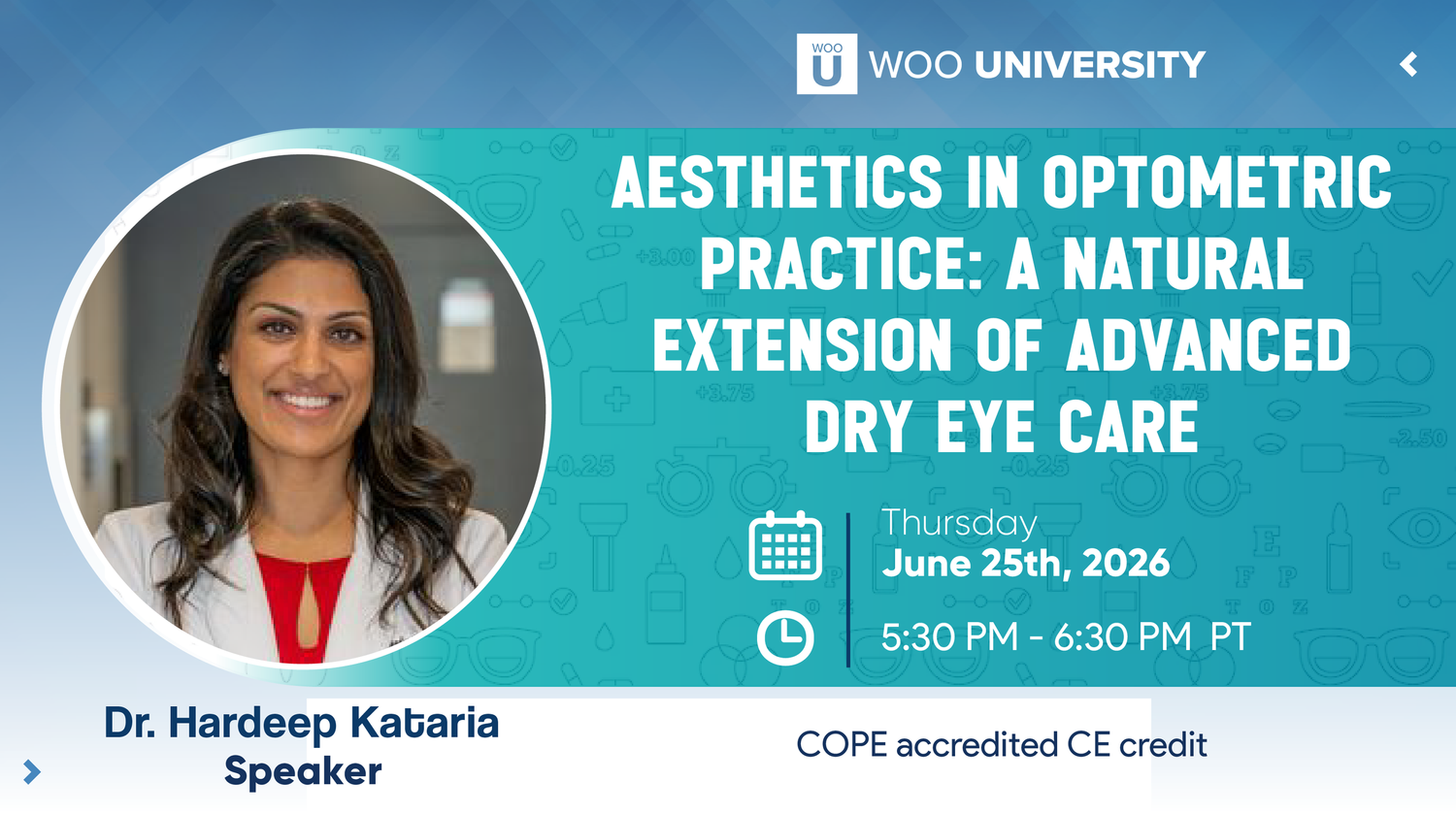
At Woo U, we believe the best learning comes from experts who challenge us to see patient care differently. In this insightful session, Dr. Hardeep Kataria explored how aesthetics and advanced dry eye management naturally complement one another, demonstrating how a more holistic approach can improve patient outcomes while elevating the patient experience.
Seeing Through the Patient's Eyes
Dr. Kataria opened with a simple yet powerful reminder: there's often a difference between what clinicians see and what patients see.
As practitioners, we may focus on diagnosing dry eye disease or meibomian gland dysfunction, but patients simply see their eyes. They want to look and feel their best, and they're seeking comprehensive solutions rather than separate treatments for separate concerns.
By integrating dry eye management with aesthetic care, practices can:
Deliver a more complete patient experience
Address both function and appearance
Differentiate themselves in an increasingly competitive landscape
Improve quality of life by reducing ocular surface inflammation

Where Dry Eye Meets Aesthetics
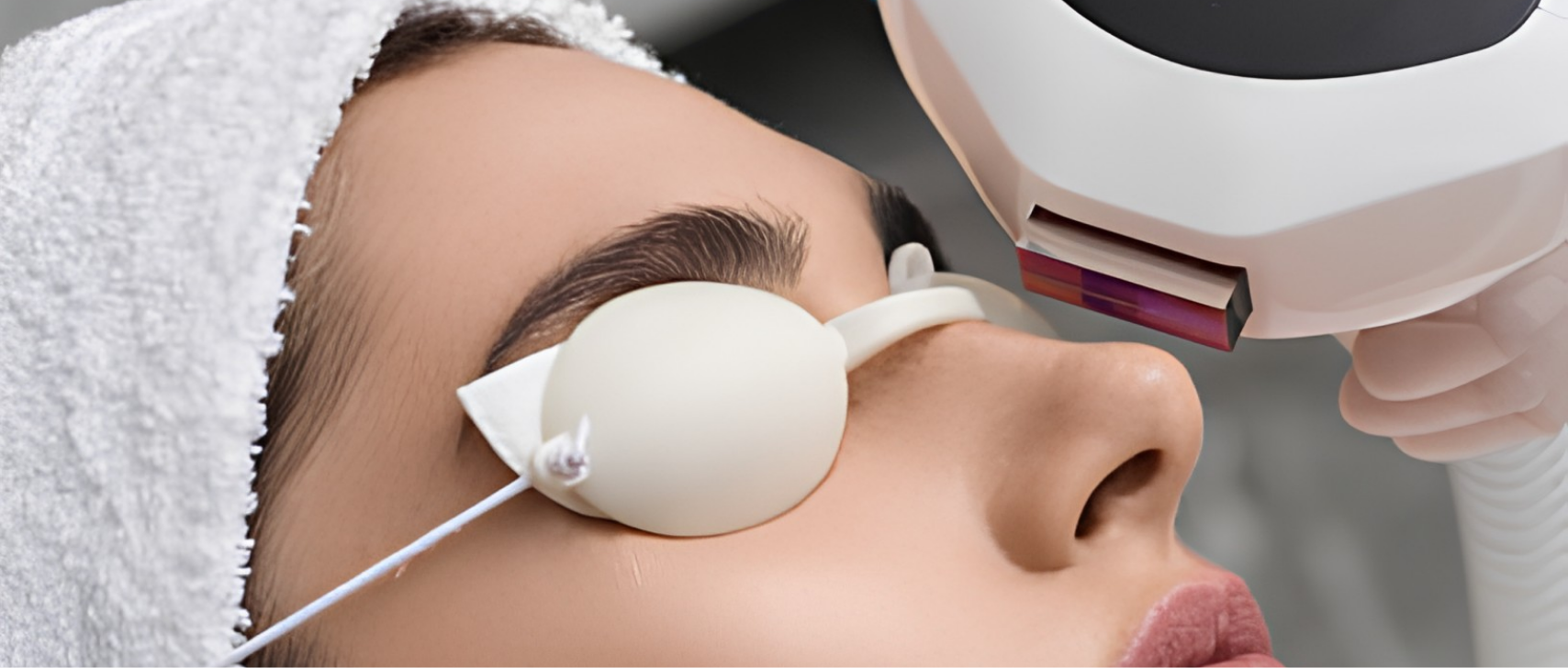
One of the session's highlights was the overlap between dry eye therapy and aesthetic treatments. Many technologies already used in optometric practice provide benefits beyond ocular surface health.
Dr. Kataria reviewed the mechanisms of action, ocular benefits, and aesthetic advantages of several advanced treatment modalities, including:
Intense Pulsed Light (IPL)
Low-Level Light Therapy (LLLT)
Radiofrequency (RF)
Microblepharoexfoliation
These technologies can improve meibomian gland function, reduce inflammation, and simultaneously enhance the appearance of the periocular area—creating added value for patients.
Bringing Aesthetic Services into Practice
Beyond the technology itself, Dr. Kataria shared practical strategies for successfully introducing aesthetic services into clinical practice.
The discussion covered:
How to naturally introduce treatment options during patient consultations
Communicating value through education rather than sales
Supporting recommendations with peer-reviewed evidence
Proper documentation and clinical protocols
The emphasis throughout was clear: patient education should always come before promotion.
Cosmetics and the Ocular Surface
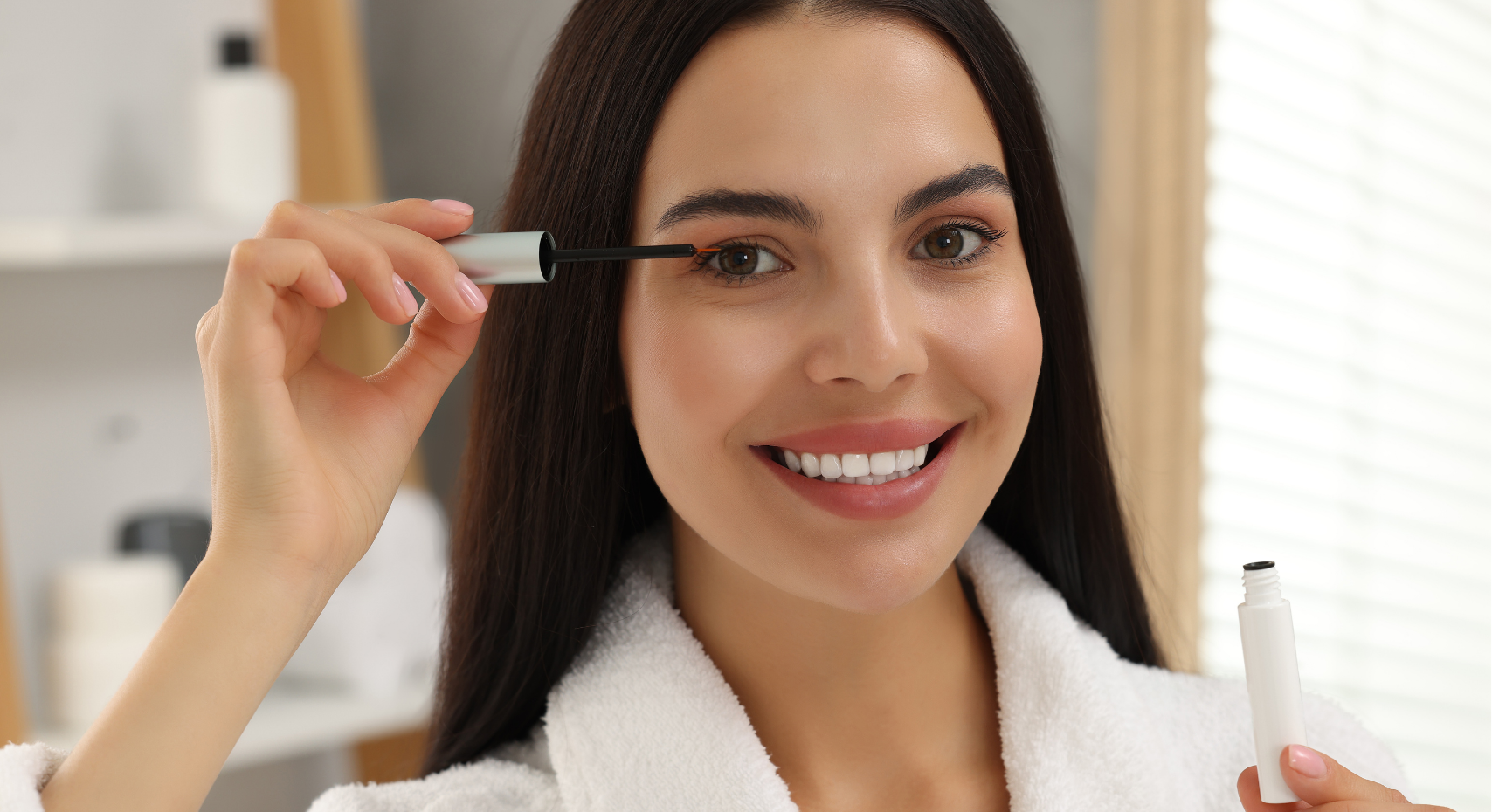
The session concluded with an overview of findings from the TFOS Lifestyle Report, examining how everyday cosmetic practices can impact ocular surface health.
Topics included:
Eye makeup
Eyelash growth serums
Eyelash extensions
Makeup application and removal habits
Understanding these lifestyle factors allows practitioners to provide more comprehensive recommendations for patients managing dry eye disease.
Dr. Kataria's Top Tips
Don't sell—educate.
Always start with the medical benefit.
Use imaging to help patients understand their condition.
Present aesthetic improvements as a natural bonus.
Document thoroughly.
Final Thoughts
Dr. Kataria's presentation reinforced that aesthetics isn't separate from optometric care—it can be a natural extension of advanced dry eye management. By focusing on education, evidence-based treatments, and patient-centred conversations, practitioners can enhance both visual comfort and patient confidence.
Thank you, Dr. Hardeep Kataria, for sharing your expertise and wisdom with the Woo U community. We look forward to seeing how these insights continue to shape the future of comprehensive eye care.
